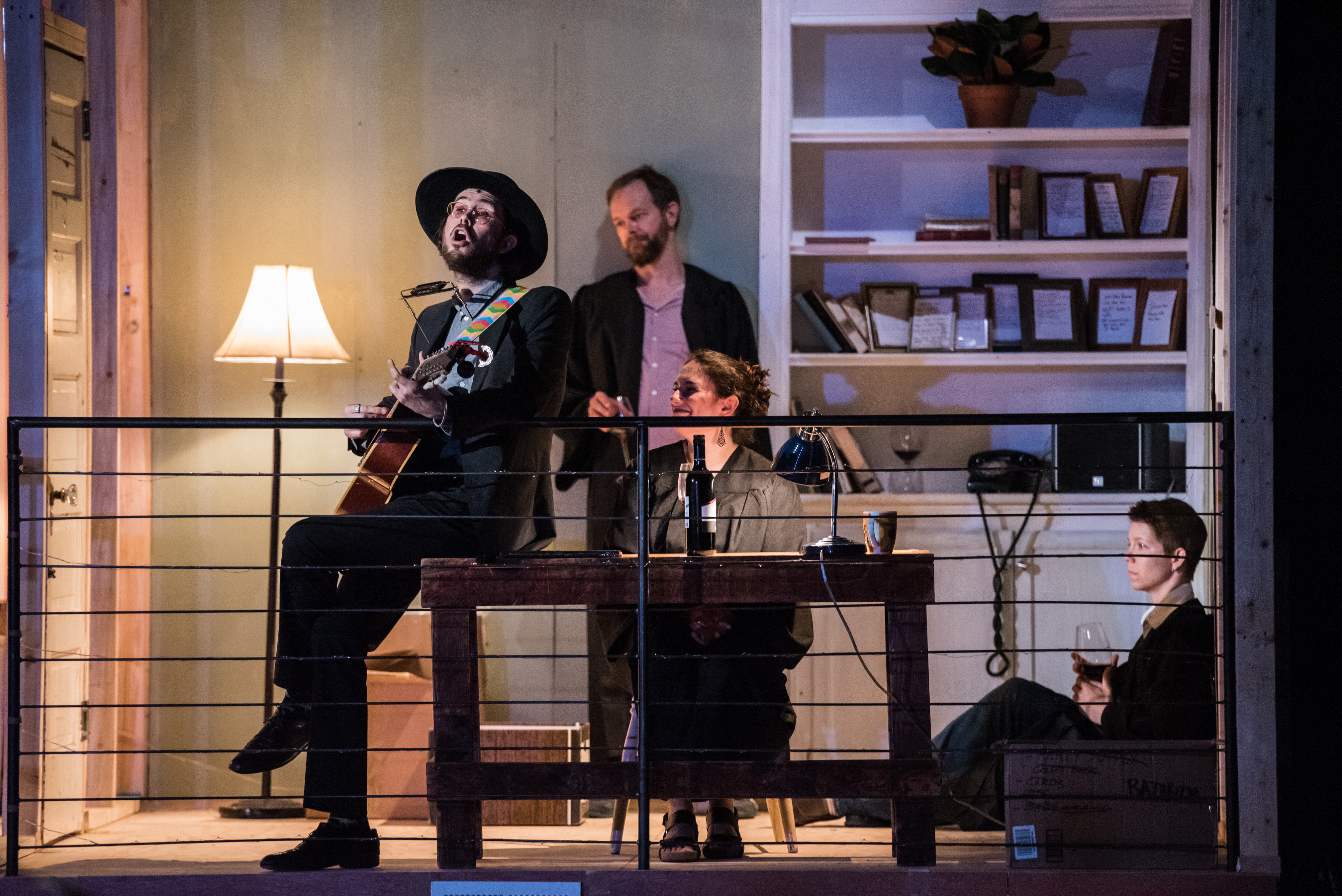
COUNTERTENOR

PROGRAM
My Days
Four Traditional Songs
Lorne Ys My Linkige
Principles of Uncertainty
Old Bones
MY DAYS
NOTE
My Days is a ritualised memory piece about Orlando Gibbons written for two ensembles whose recordings informed so much of my musical development. I feel like I spend half of my life trying to trick string players to play like Fretwork and vocalists to sing like the Hilliard Ensemble, so it was with enormous pleasure that I composed this piece. The text is derived from Psalm 39, which Gibbons himself set, as well as an account of Gibbons's own autopsy, which is a poignant 17th century semi-anonymous text. One of the most thrilling things about the sound of five violas da gamba playing together is the sense of their phrasing being derived from vocal music, but made somehow electric and ecstatic through ornamentation and the friction of the strings. The piece has an idée fixe based on a minor scale with two possible resolutions and many ornaments. In between iterations the voices, in rhythmic unison, intone the psalm. It isn't until the autopsy text arrives that the voices begin to split into more elaborate Gibbonsy verses and responses. A series of semi-improvised fragments on the text "Take thy plague away from me" introduces the third section of the piece where plucked strings create a halo around the text "hear my prayer, O Lord." The piece ends with the ornaments wildly exploded over the voices singing two words, endlessly repeated. — Nico Muhly
TEXT
Behold, thou hast made my days as it were a span long : and mine age is even as nothing in respect of thee; and verily every man living is altogether vanity. For man walketh in a vain shadow, and disquieteth himself in vain : he heapeth up riches, and cannot tell who shall gather them. And now, Lord, what is my hope : truly my hope is even in thee. Deliver me from all mine oðences : and make me not a rebuke unto the foolish. I became dumb, and opened not my mouth : for it was thy doing — Psalm, 39, 6-10
We whose names are here underwritten: having been called to give our counsels to Mr. Orlando Gibbons; in the time of his late and sudden sickness, which we found in the beginning lethargical, or a profound sleep; out of which, we could never recover him, neither by inward nor outward medicines, & then instantly he fell in most strong, & sharp convulsions; which did wring his mouth up to his ears, & his eyes were distorted, as though they would have been thrust out of his head & then suddenly he lost both speech, sight and hearing, & so grew apolitical & lost the whole motion of every part of his body, & so died. — the autopsy of Orlando Gibbons, 1625
Take thy plague away from me : I am even consumed by the means of thy heavy hand. When thou with rebukes dost chasten man for sin, thou makest his beauty to consume away, like as it were a moth fretting a garment : every man therefore is but vanity. Hear my prayer, O Lord, and with thine ears consider my calling : hold not thy peace at my tears. For I am a stranger with thee : and a sojourner, as all my fathers were. O spare me a little, that I may recover my strength : before I go hence, and be no more seen. — Psalm 39, 11-15
FOUR TRADITIONAL SONGS
NOTE
I selected these four songs after spending many hours obsessing over Alfred Deller’s Vanguard recording of British folksongs. One in particular struck me as heartbreakingly poignant: his unaccompanied rendition of the Bitter Withy. I tried to imagine what a highly stylized but understated accompaniment might sound like, and that forms the fourth song in this collection. The Cruel Mother, about a woman who kills her children and is then visited by their ghosts, is a particularly gruesome murder ballad, and works over a large vocal range. Searching for Lambs has a wonderfully irregular footprint, which required very little interference from me, and A Brisk Young Lad is one of the most unforgivingly sad ballads in the catalogue. This collection is dedicated to Iestyn Davies. — Nico Muhly
TEXT
1. A brisk young lad, he courted me, he stole away my liberty, he stole my heart with a free good will, he has it now and he’ll keep it still. There is a flow’r I’ve heard them say, would ease my heart both night and day, I would to God that flow’r I could find that would ease my heart and my troubling mind. Dig me a grave both wide and deep, set marble stones at my head and feet, and a turtle white dove carve over above to let the world know that I died of love.
2. Searching for Lambs
As I went out one May morning, one May morning betime I met a maid from home had strayed just as the Sun did shine What makes you rise so soon my dear? Your journey to pursue? your pretty little feet they tread so sweet, strike off the morning dew. I’m going to feed my father’s flock, his young and tender lambs, That over hills and over dales lie waiting for their dams.
O stay,
O stay you handsome maid and rest a moment here, for there is none but you alone that I do love so dear.
How gloriously the Sun doth shine, how pleasant is the air I’d rather rest on a true love’s breast than any other where.
For I am thine and thou art mine, no man shall uncomfort thee We’ll join our hands in wedded bands and married we will be.
3. The Cruel Mother
There was a lady lived in York, all alone and a loney, a farmer’s son, he courted her all down by the greenwood side.
He courted her for sev’n long years, all alone and a loney, at last she had a child by him, all down by the greenwood side.
She pitched her knee against a tree, all alone and a loney, and there she found great misery, all down by the greenwood side.
She pitched her back against a thorn, all alone and a loney, and there she had her baby boy all down by the greenwood side. She drew the fillet off her head, all alone and a loney, she bound the baby’s hands and legs all down by the greenwood side. She drew a knife both long and sharp, all alone and a loney, she pierced the baby’s innocent heart, all down by the greenwood side. She wiped the knife upon the grass, all alone and a loney, the more she wiped the blood run fast, all down by the greenwood side. She washed her hands all in the spring, all alone and a loney, thinking to turn a maid again, all down by the greenwood side. As she was going to her father’s horse, all alone and a loney, she saw three babes aplaying at ball, all down by the greenwood side. One dressed in silk, the other in satin, all alone and a loney, the other stark naked as ever was born, all down by the greenwood side. “O dear baby if you was mine, all alone and a loney, I’d dress you in silk, and satin so fine, all down by the greenwood side.” “O dear mother I once was thine, all alone and a loney, you never would dress me coarse or fine, all down by the greenwood side.” “The coldest earth, it was my bed, all alone and a loney, the green grass was my coverlet, all down by the greenwood side.” “O mother, mother for your sin, all alone and a loney, Heav’ngate you shall not enter in, all down by the greenwood side.” There is a fire beyond Hell’s gate, all alone and a loney, and there you’ll burn both early and late, all down by the greenwood side.
4. The Bitter Withy
As it befell on a bright holiday, small hail from the sky did fall, Our Saviour asked his mother dear if he might go and play at ball. At ball, at ball, my own dear Son, it’s time that you were gone, and don’t let me hear of any mischief at night when you come home. So up the hill and down the hill our sweet young Saviour ran, until he met three rich young lords, “Good morning” to each one. “Good morn, good morn, good morn” said they, “Good morning” then said he, and which of you three rich young lords will play at ball with me? We all are lords’ and ladies’ sons, born in a baron hall, and you are nothing but a poor maid’s child, born in an oxen stall. Sweet Jesus turned him round about, he neither laughed nor smiled, but the tears came trickling from his eyes like water from the sky. Then he made him a bridge from the beams of the Sun and over the water ran he, the rich young lords chased after him and drown’d they were all three. Then up the hill and down the hill three rich young mothers ran, saying Mary mild fetch home your child for drown’d is ours each one. So Mary mild fetched home her child and laid him across her knee and with a handful of withy twigs, she gave him slashes three. Ah bitter withy, ah bitter withy, you’ve causèd me to smart, and the willow shall be the very first tree to perish at the heart.
LORNE YS MY LIKINGE
NOTE
Lorne Ys My Likinge is a setting of the 19th Chester Mystery Play, which imagines Mary Magdalene, Mary of Jacob (the sister of the virgin), and Mary Salome (the mother of James and John) at Christ’s tomb. There, they weep, and are confronted by two angels with the faces of children. Like many passiontide texts, this play is simultaneously violent, still, empassioned, and mystical. I tried, as Britten so wonderfully did in his Abraham and Isaac canticle, to capture the drama of this moment as well as the more shimmeringly tense presence of the divine. The two voices here do not actively sing one role or another; indeed, they swap lines with one another, and sometimes one voice will create a halo of wordless sound around the other’s more declamatory text. In addition to a more traditional accompanying role, the piano interjects with electrical jolts, most notably at the beginning of the setting. Te angels sing in a much more chromatic style — I’ve never entirely bought the idea that angels should be peaceful choirboys; instead, I’ve always imagined them as frightening, mysterious, and highly stylised. Te piece ends in a state of suspended animation, with Mary Magdalene asking why she herself is not dead and buried. The piece is dedicated to Iestyn Davies and Allan Clayton, both extraordinary singers, musicians, and friends. — Nico Muhly
TEXT
MARIA MAGDALENA
Alas, nowe lorne ys my likinge.
For woe I wander and handes wringe.
My harte in sorrowe and sighinge
ys sadlye sett and sore.
at I most loved of all thinge,
Alas, ys nowe full lowe lyenge.
Whye am I, lord, so longe livinge
to loose thy luxonne lore?
MARIA JACOBI
Alas, wayle awaye ys went.
My helpe, my heale from me ys hent.
My Christ, my comfort that me kent,
is clongen nowe in claye.
Mightie God omnipotent,
thou give them hard judgment
that my soveraygne hath so shent,
for so I maye well saye.
MARIA SALOME
Alas, nowe marred ys my might.
My lord through whom that I was light shamefullye slayne here in my syght!
My sorrowe ys aye unsought.
Syth I maye have no other ryght
of these dyvelles that have my lord so dight,
to balme his bodye that ys so bryght boyst
here have I brought.
MARIA MAGDELENA
Suster, which of us everychon
shall remove this great stonne
that lyeth my sweet lord upon,
f or moove yt I ne maye?
MARIA JACOBI
Suster, maystrye ys hit nonne.
Hit seemes to mee as he were gonne,
for on the sepulcher sytteth one,
and the stonne away.
MARIA SALOME
Two children I see ther syttinge-
all of whyte ys there clothinge-
and the stonne besydes lyeinge.
Goe we nere and see.
ANGELUS PRIMUS
What seeke ye women here with weepinge and unlykinge chere? Jesus, that to you was deare, ys rysen, leeve you mee.
ANGELUS PRIMUS
This ys the place, therfore be apayde,
that Jesu our lord was in layde;
but he ys rysen as he sayde,
and heathen went awaye.
ANGELUS SECUNDUS
Hye you, for ought that may befall,
and tell his disciples all;
and Peter allso saye you shall
there fynde him that you maye.
MARIA MAGDELENA
Ah, hye wee faste for anye thinge
and tell Peter this tydinge.
A blessedfull word we may him bringe,
sooth yf that hit were.
PRINCIPLES OF UNCERTAINTY
NOTE
Principles of Uncertainty is my second collaboration with illustrator and author Maira Kalman. Her book by the same name is a series of meditations on her own life as an immigrant, as a New Yorker, and as a keen observer of the world around her. There is a surreal logic to Maira’s writing I tried to encompass in this suite of four simple songs. Originally scored for countertenor, banjo, violin, cello, and piano, tonightmarks the première of this arrangement for lute, piano, and three viols. — Nico Muhly
TEXT
1. What is this book? What is anything? Who am I? Who are you? What is happiness? I ask you, what is happiness? What is happiness? How could young Nabokov tolerate such displacement, such loss? How could my mother tolerate such displacement, such loss? Could my mother have married Nabokov? Would Nabokov have been good to my mother? What is the most important thing? I walk behind people who are old. How can they function? How can I help? Step. Step.
Step. How are we all so brave as to take step after step day after day? How are we so optimistic, so careful not to trip and yet do trip then get up and say O. K. I want to grow old gracefully, naturally: is such a thing possible? The sun will explode five billion years from now: Set your watches. The man dances on salt. Why? The man is disgusted. Why can’t people tell the truth? the woman stands under a tree. How do you go mad? How do you go not mad? The truth is everybody gets on everybody’s nerves. Everybody gets on everybody’s nerves. Right? Right. Right? Right. And the cake, and the cake: It was a mocha cream cake. And the inner peace? there was zero inner peace.
2. What is this fragment? This hard wisp? of what? Of darkness of thought, or immensity of the universe? A dream? A foreboding? Was Freud right? or Wittgenstein right? Can we speak? May I say something? No? Wittgenstein designed a house for his sister. Here is the radiator. To say that he found God in the details would be an understatement But how would he define “God?” Pushkin Pushkin Pushkin - did he die in a duel? Yes. He died in a duel. What does all this have to do with that young woman with the crazy great hairdo with four bobby pins and two rubber bands? What does this have to do with bobby pins and radiators and Kokoshniks? One thing leads to another. Spring is in the air, don’t you think?
3. The man dances on salt. A package arrives wrapped in newspaper and tied with strips of fabric. The newspaper has a phto of a man. The man is lying in the snow, dead. Here is the man. His hat flew off his head. I hope he is not really dead, just enjoying a refreshing lie-down in the snow. The woman leans over in anguish: not about that man but about all sad things; it happens quite often in February. She sings a lullaby about angels watching over the girl. You cannot help but notice that that is an awful lot of hair to wash and comb every day. The man stands behind the man. The seated man thinks, “For heaven’s sake, stop standing behind me. You are driving me mad. It’s freezing here. It’s February, and it’s impossible.” The woman stood in front of the tree before she went mad. She wrote a book, and then she went mad The woman is very ill. Her little dog never leaves her side. These twin sisters walking down the street in Budapest are cousins. There are black stripes on their sleeves. The sisters will never meet this man, but I have, and he has black stripes on the sleeves of his magnificent handstitched robe. He is a monk. On his card it says Inner Peace Center. My parents had a tea party in 1963. There was zero inner peace at this party. My parents were barely speaking. The heart breaks. Someone does or does not go mad. It is February, and all is forgiven.
4. The man asked the woman a dangerous question: “You don’t want me to kill her, do you?” I can’t ask any more questions. Was everything not said? Was everything not understood? Keep calm and carry on! Keep Was everything wrong? Will everything be wrong? Will we celebrate? Will we be kind? Will the world blow up? Will we eat egg salad sandwiches? Will we tell lies? The man asked the child, “what’s wrong?” The man asked the woman, “what’s wrong?” The child asked the parent, “What’s wrong?” The woman asked the child, “what kind of cake shall I bake for you?” What kind of cake should I bake for you? What kind of cake shall I bake for you?
OLD BONES
NOTE
Old Bones combines texts taken from the media around the rediscovery of Richard III's bones with fragments of poetry in praise of Syr Rhys ap Tomas, who is said to have killed the king. Philippa Langley of the Richard III Society gave a series of extraordinary interviews in which she humanises the mythology surrounding Richard III, and insists on our noticing the details of his daily life: "The scientists say you can't see character in bones – but for me, you kind of can." The poetry, too, operates mythologically as well as practically: a young man has come to protect the community, but suddenly he is a rose, a star, a hawk. Old Bones begins with a news report, delivered as a sort of recitative, and moves through several episodes of lute patterns before landing on a stylised processional music. The piece ends with the phrase, "Everyone else was looking at old bones, and I was seeing the man.” — Nico Muhly
TEXT
Part One
It is the academic conclusion that beyond reasonable doubt, the individual exhumed at Greyfriars in September 2012 is indeed Richard III, the last Plantagenet king of England. — Richard Buckley
Part Two
They dug in that spot, and the leg bones were revealed. Yes, I was overcome with emotion. Everyone else was looking at old bones, I was looking at the real man, and I was seeing the man. – Philippa Langley
Part Three
Now a Young Man has come to protect us from violence, The Saint is a roofbeam over the three counties,
Over lands, of Elidir's lineage.
All his factions are flowers for us;
Sir Rhys himself is a rose.
He is a man too in war,
He was a fearless young man.
There was a battle, like that of Peredur,
The Ravens of Urien prepared it. King Henry won the day through the strength of our master: He killed Englishmen, capable hand,
He killed the boar, he chopped off his head;
Sir Rhys like the stars of a shield
With the spear in their midst on a great steed. I have loved the dubbed knight of Carmarthen, The hawk of the fortress of gold and wine is loved by all.
— Guto’r Glyn
Part Four
When you're writing a screenplay, you walk 1,000 miles in their shoes every day. I wasn't interested in Richard's death, I was interested in his life, but finally I thought I should go to Leicester – and the first time I stood in that car park, the strangest feeling just washed over me. I thought: ‘I am standing on Richard's grave.’ Richard wanted to be found. So we know that he was working through the pain barrier every day just to do his job. That tells me about his character. I think the time is right, with our science, with our knowledge, with the time of the Paralympics, I think he was saying: “Now you can understand me. I'm ready. And I'm ready to be reburied, and I'm ready to be found." Everyone else was looking at old bones, and I was seeing the man. — Philippa Langley
Creative Team
PANEL
Maira Kalman, Author and Illustrator
Nico Muhly, Composer
Jeremy Gill, Conductor
Nat Trotman, Guggenheim curator for performance and media
MUSICIANS
Anthony Roth Costanzo, Countertenor
Nicolee Kuester, Horn
Nico Muhly, Piano
Dave Nelson, Trombone
Courtney Orlando, Violin
Stephanie Richards, Trumpet
Paul Wiancko, Cello
Ian King, Lighting Design
Ryan Ainsworth, Video Engineering
Produced in association with Beth Morrison Projects
NICO MUHLY
COMPOSER
ANTHONY ROTH COSTANZO
COUNTERTENOR

JEREMY GILL
CONDUCTOR
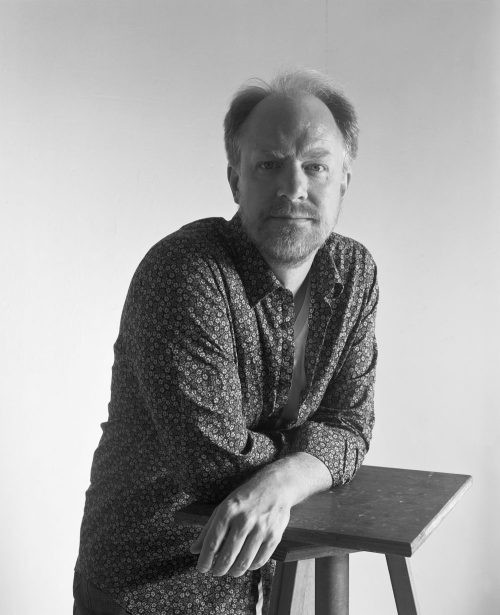
ANDREW ARCECI
Performer, Composer/Arranger, and Scholar (Bass Viol)
KAREN BURCIAGA
VIOLIST
OLAV CHRIS HENRIKSEN
LUTE
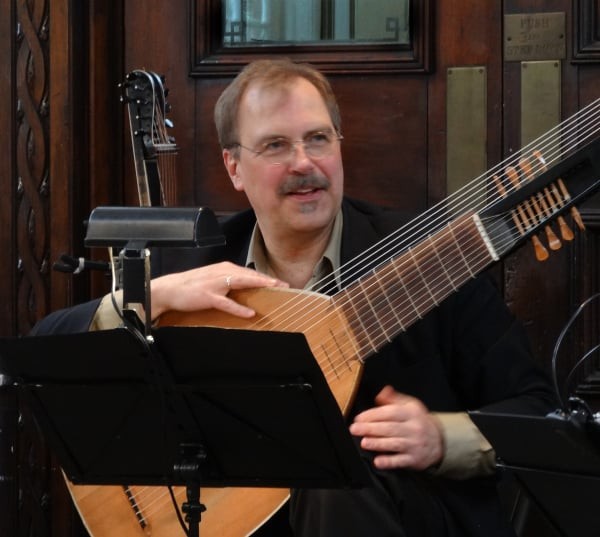
JOSEPH HUBBARD
BASS

WES HUNTER
TENOR

ROLAND HUTCHINSON
VIOLIST DA GAMBA AND BARYTONIST
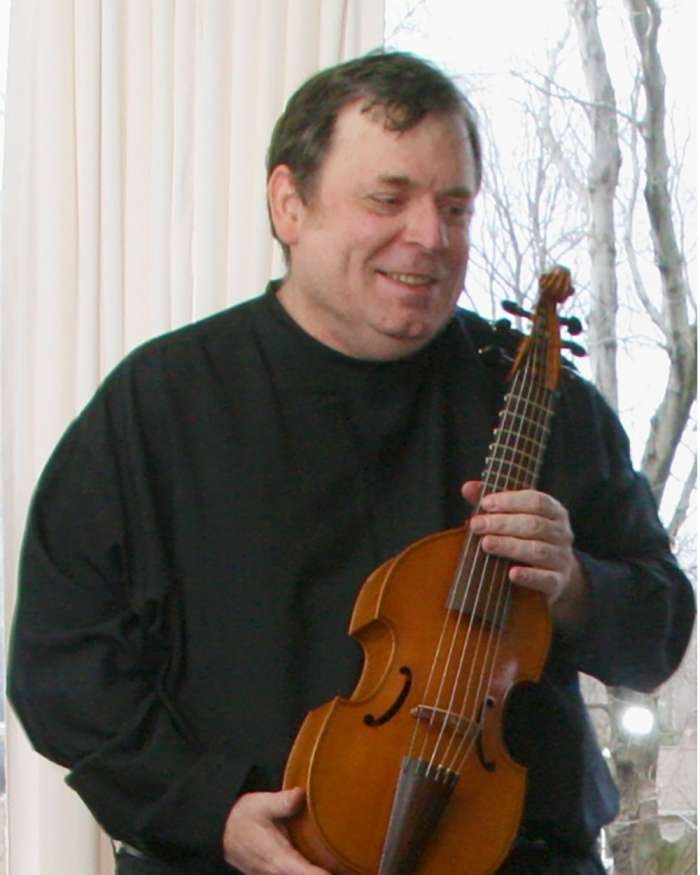
MAIRA KALMAN
VISUAL ARTIST
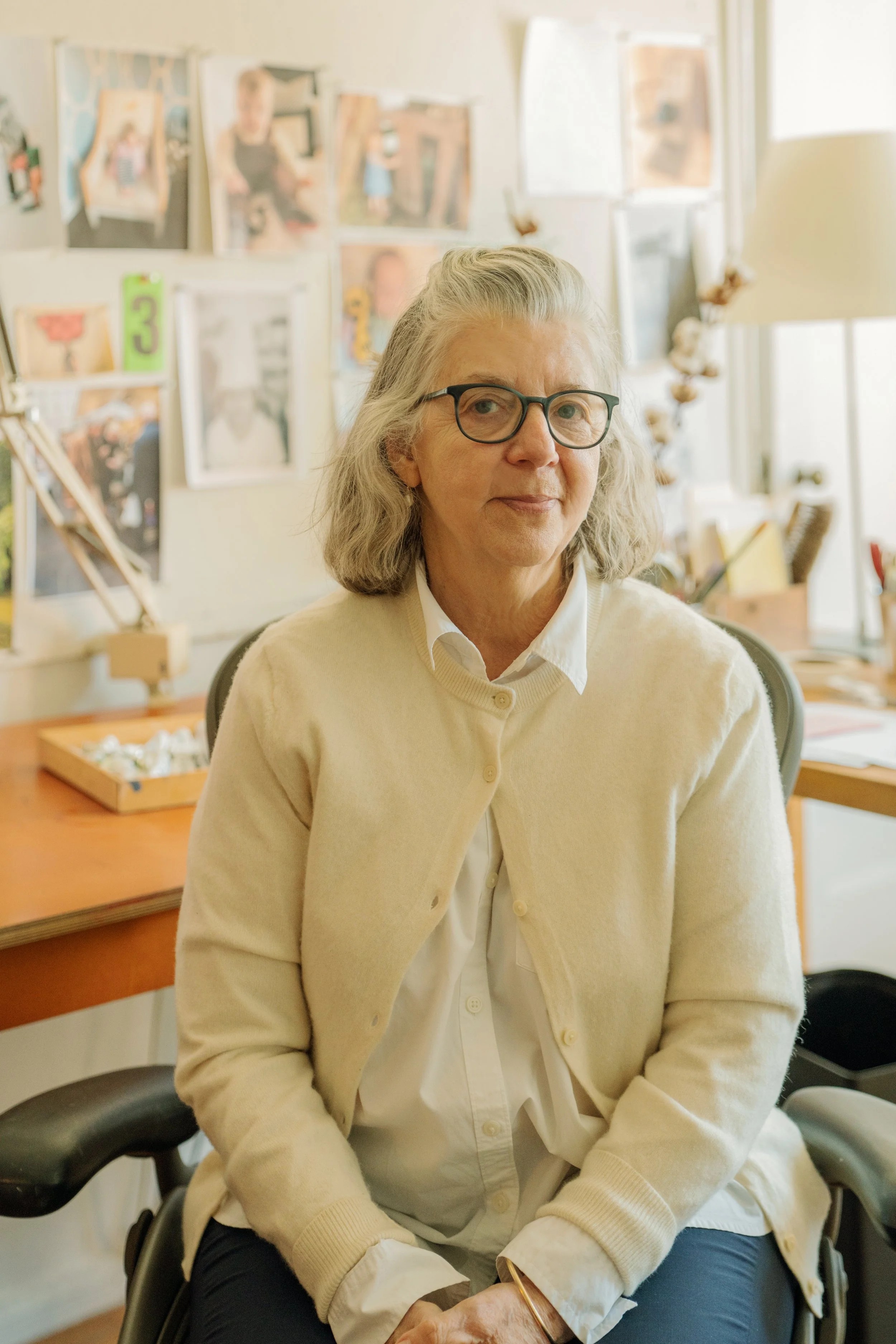
IAN W. KING
LIGHTING DESIGNER
CAROL LEWIS
VIOLIST
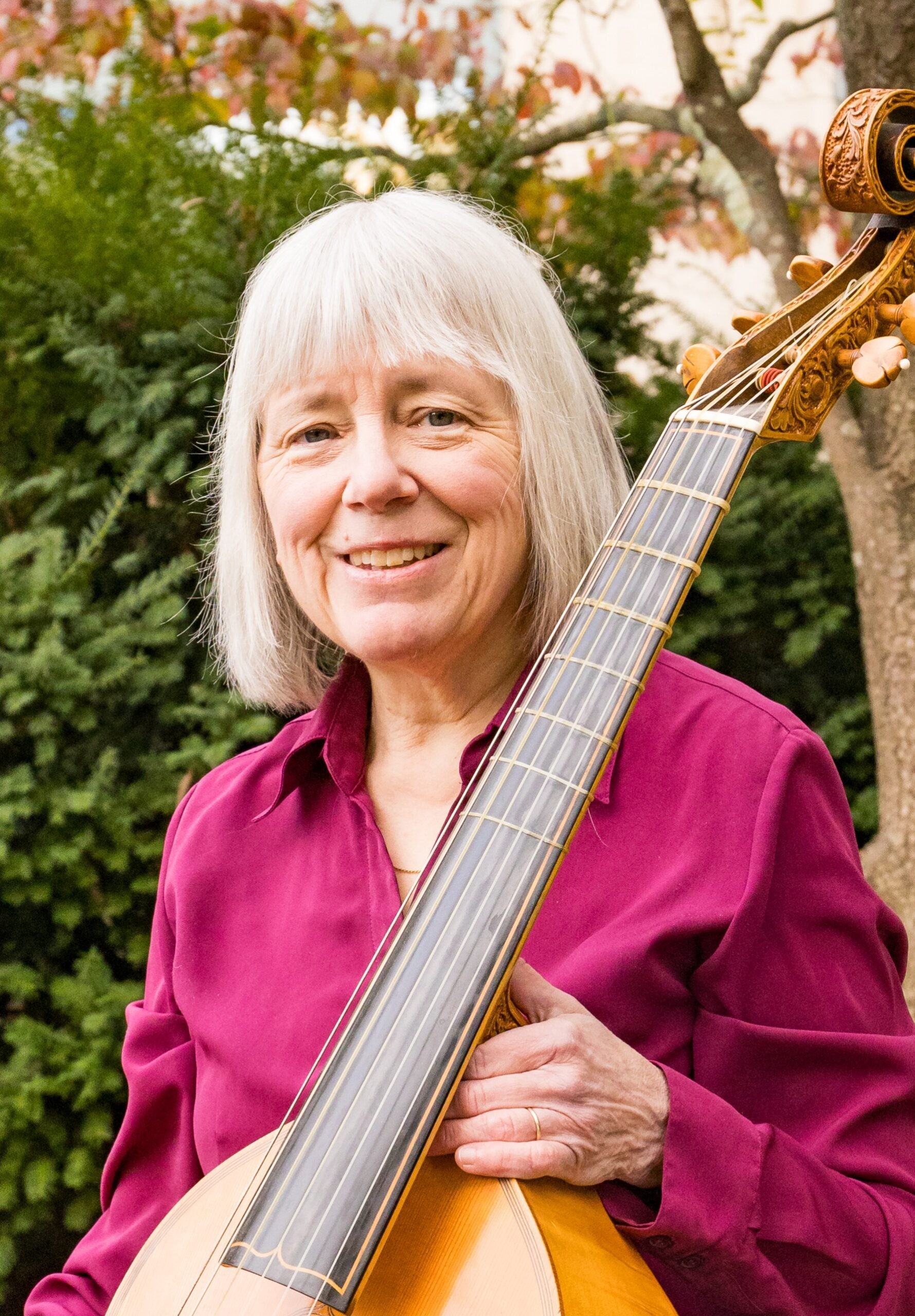
FRANCESCO LOGOZZO
TENOR

YUKIKO OBA
PIANIST
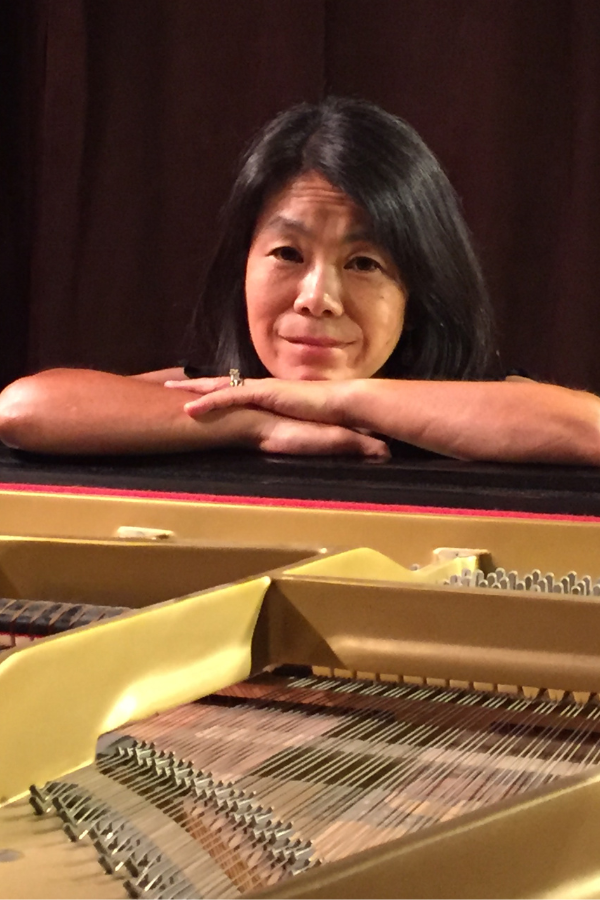
JAMES WILLIAMSON
VIOLIST